
Ryōi Shintōkai
良移心当会
Kumiuchi (組討)
Jigō Tenshin-ryū (自剛天真流) derives and draws much of its content from Ryōi Shintō-ryū.
The founder (Ryūso 流祖) of Jigō Tenshin-ryū is credited as being Fujita Fumoto Norisada (藤田麓憲貞), who died in Tenpō 10 (1839).
He learned Kasahara (笠原) line Ryōi Shintō-ryū Jūjutsu (良移心当流 柔術) from the Sōke (宗家) Kubo Sadaharu (久保貞治) and then added the Sakkatsu (殺活 killing and reviving techniques) from Yōshin-ryū Jūjutsu (揚心流柔術).
(Note: The Yoshin-ryū Sakkatsu may have come from the same source as the Ryōi Shintō-ryū, that is Chin Genpin via the Miura-ryū, whose founder was a student of Ryōi Shintō-ryū founder Fukuno Shichirouemon Masakatsu (福野七郎右衛門正勝) - see www.ryoishintokai.com blog dated 15th January 2021)
Acording to Uchida (1918), Fujita used the term Ise Jitoku Tenshin-ryū Jūjutsu (為勢自得天眞流柔術).
After Fujita, the first generation (Shodai 初代) Sōke was Shōbayashi Fujiwara Michikazu (庄林藤原道一). He coined the name Jigō Tenshin-ryū Jūjutsu and wrote the Jigō Tenshin no Maki (自剛天真流の巻) document which, other than the inclusion of Yoshin-ryū Sakkatsu, faithfully followed the teachings of Ryōi Shintō-ryū Jūjutsu.
(Note: Having seen the both the Jigō Tenshin no Maki and the equivalent Ryōi Shintō-ryū documents, I can confirm the above)
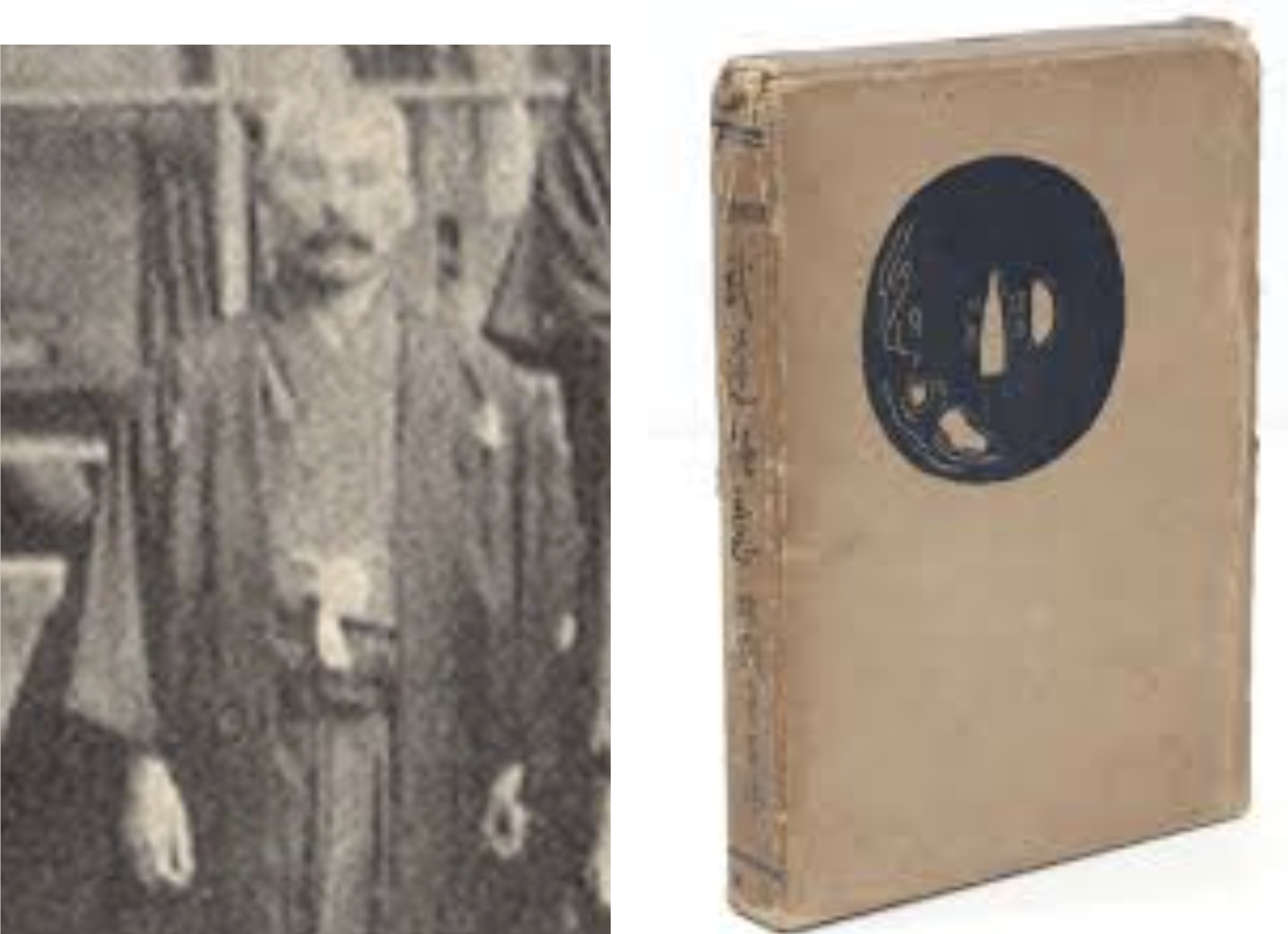
Uchida Ryōhei (内田良平) who founded the Tenshinkan Dōjō (天真館道場) in 1898 and published the book ‘Budō Gokui’ (武道極意 in 1918. It is in that book (kindly translated by Mr Logan Weymouth), that Uchida states the following:
“Battlefield Kumiuchi grappling (戰場組討) had been the more important part of the Shintō-ryū. (心當流)”
(Note: Shintō-ryū. (心當流) is an alternative name / abbreviation for Ryōi Shintō-ryū (良移心当流) with 當 being a variant of 当)
In another part the same book, he also states that:
“During the average ten battles, you will engage in Kumiuchi grappling as many as six or seven times. It is rather inevitable. In the stories about the ancient battlefields, Kumiuchi grappling happens a lot. There are separation techniques used with either sword or spear. These are meant to help you protect life and limb, every technique is a matter of life and death. Consequently, Kumiuchi grappling is one of the cornerstones of the military arts.)”
In the Tenri University journal article entitled: ‘About Jigō Tenshin-ryū Kumiuchi’ (自剛天真流組討について) by Yamamoto Yoshiyasu (山本義泰) 1985, states that:
“The Jigō Tenshin-ryū style of Randori (乱捕) is a martial art devised for the purpose of Kumiuchi on the battlefield, and is naturally very different from Kōdōkan Jūdō which is aimed at physical training. However, the fact that Kōdōkan Jūdō spread throughout Kyushu in later years, using the Tenshinkan Dōjō as its base, is due to the influence of the Meiji Restoration, when the abolition of all Japanese military orders and the public security situation was stable, and the martial art of Jūjutsu was considered useless and the martial arts (bujutsu), including Jūjutsu, were in decline, but Jigō Tenshin-ryū seems to have flourished because it adopted Randori-geiko (practice). This may have been because it was easier to conform to Kōdōkan Jūdō from the perspective of mainly practising the same randori practice. It can be well understood that Jigō Tenshin-ryū contributed greatly to the establishment of randori practice in Kōdōkan Jūdō.”
(Translated by Deepl, with some amendments where appropriate by myself)
Accompanying photos - Uchida Ryōhei and his book 'Budō Gokui'


